From Shizuoka to Redmond, With Love
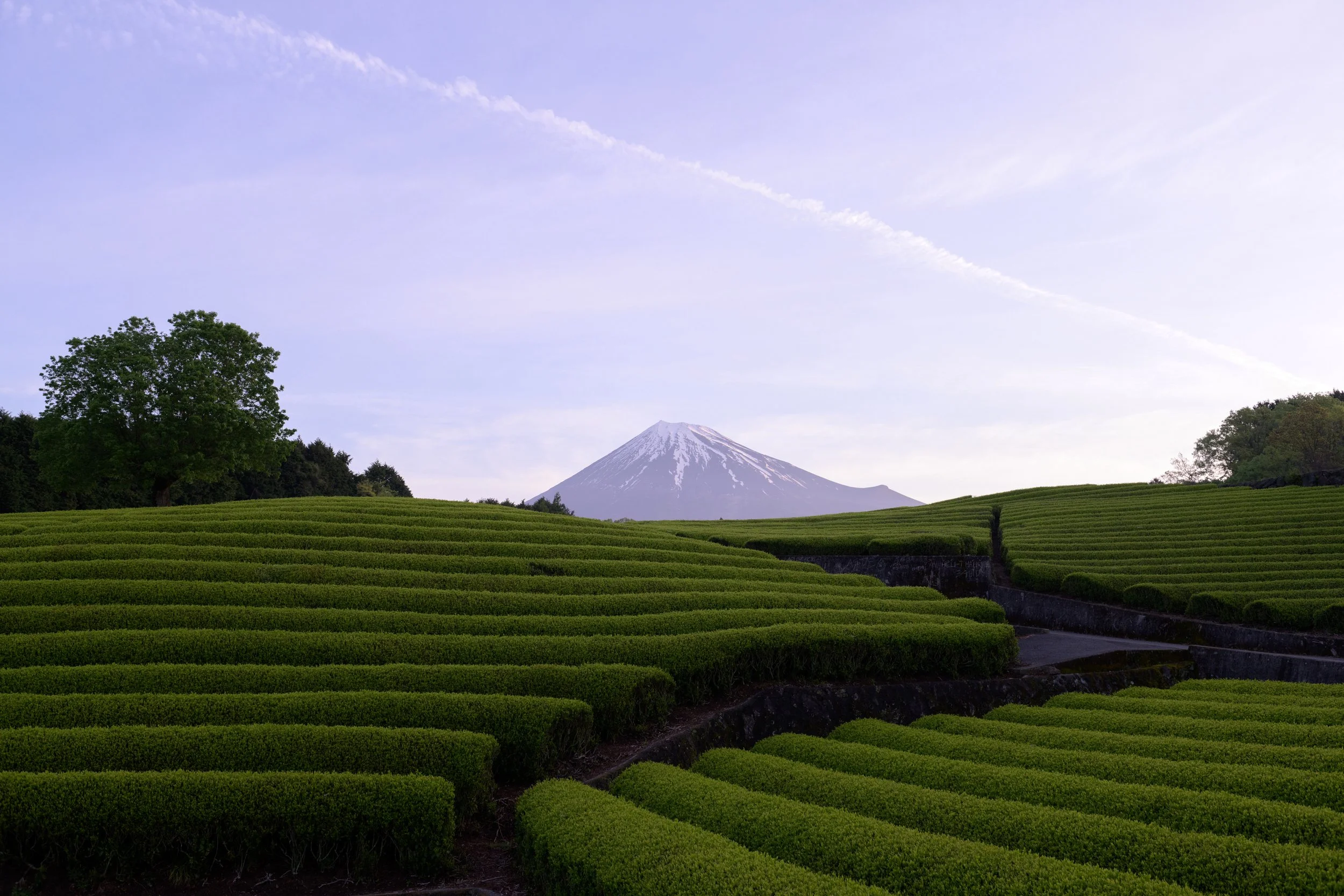
Tea fields in Shizuoka, Japan. Photo courtesy of Sugimoto Tea.
September 8, 2026
By Madeline Virginia
In the city of Shimada, Japan, perfect rows of tea plants stretch out like endless waves in a deep green sea. Mt. Fuji towers over the scene, ever watchful of the lush landscape and the bright blue Oi River that cuts across it.
Here in the prefecture of Shizuoka, tea is woven into the culture and identity of its people. The land has been cared for by generations of farmers, and what they produce is well known to be some of the best in the world. More than tradition, green tea has been the main economic export of the city since retired samurai cultivated the land after the Meiji Restoration.
From Shizuoka, some of the precious harvest will be sent to Redmond, Washington. There, Kyohei Sugimoto and his team await it at Sugimoto USA headquarters. The boxes on the shelves hold 80 years of history, passed down across three generations.
“I come from a tea family," Kyohei explained to Redmond Moments in the warehouse among the pallets of hojicha, sencha, and matcha.
Like the vast tea fields, Sugimoto family roots run deep within Shizuoka. It was Kyohei Sugimoto, though, who brought his family’s tea to America.
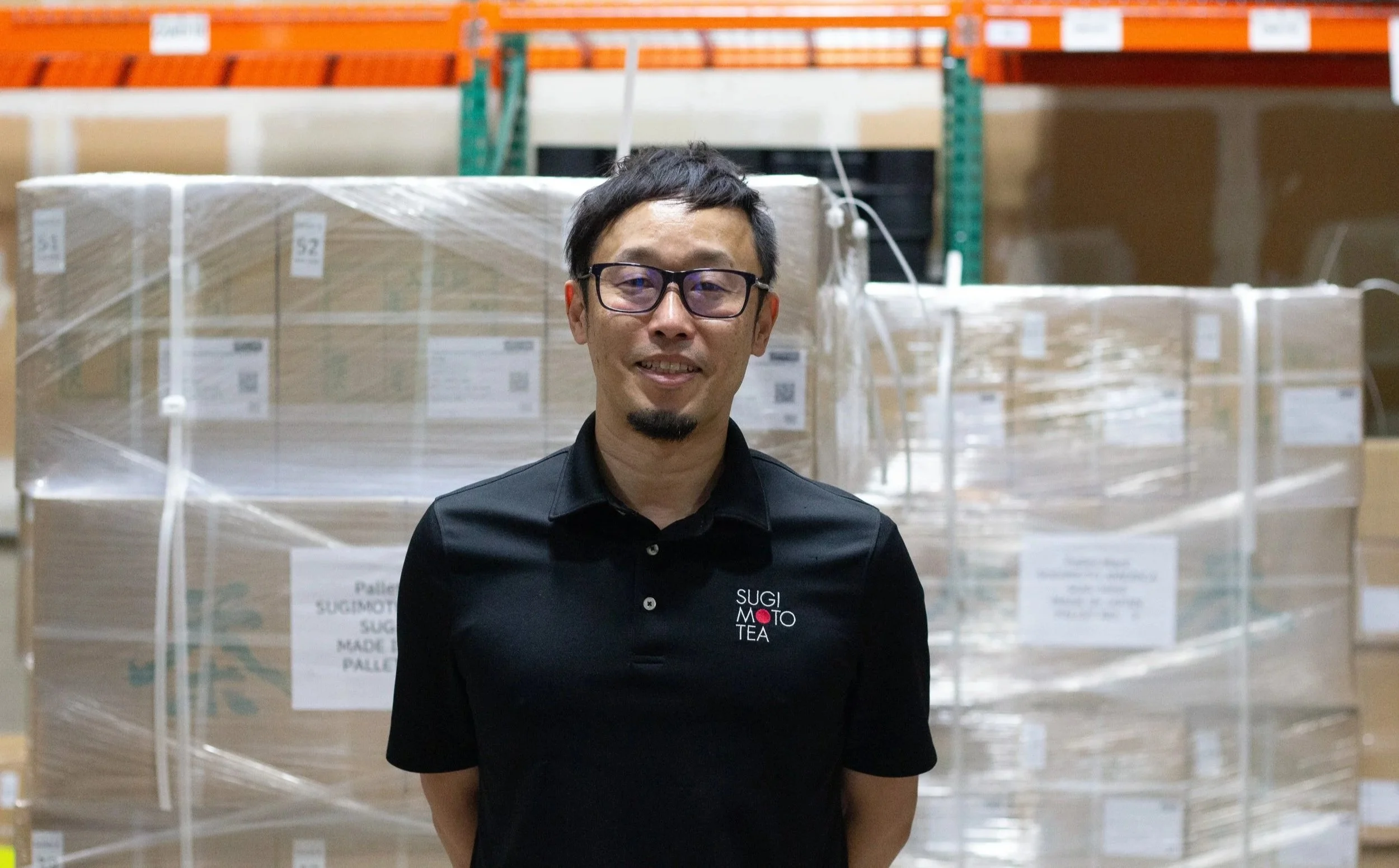
Kyohei Sugimoto, President of Sugimoto USA.
Photo: Jason Miller/Redmond Moments
What Came Before
Sugimoto Tea began on a bicycle.
In 1946, Zenichi Sugimoto rode through Kanaya, Japan selling his handmade tea through the small city.
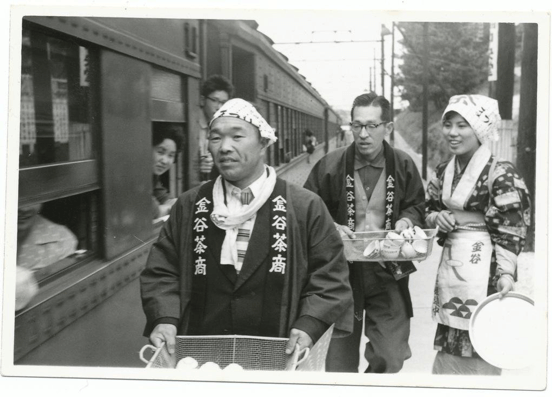
Zenichi Sugimoto
Photo courtesy of Sugimoto Tea.
In his written reflections, Kyohei wrote:
“My grandfather, Zenichi Sugimoto, a founder of Sugimoto Tea, was always very nice to me. He remained working in the tea factory until his later years. Every time I visited the factory, he took me to a small neighborhood store and bought me snacks. Watching TV with grandpa and sleeping over at his house were my favorite memory.”
Before he took over the company, Zenichi’s son Hiroyuki Sugimoto traveled to Tokyo where he apprenticed for years selling tea at the famous Tsukiji Fish Market. He became the second generation to lead the family factory, continuing the legacy in Shizuoka.
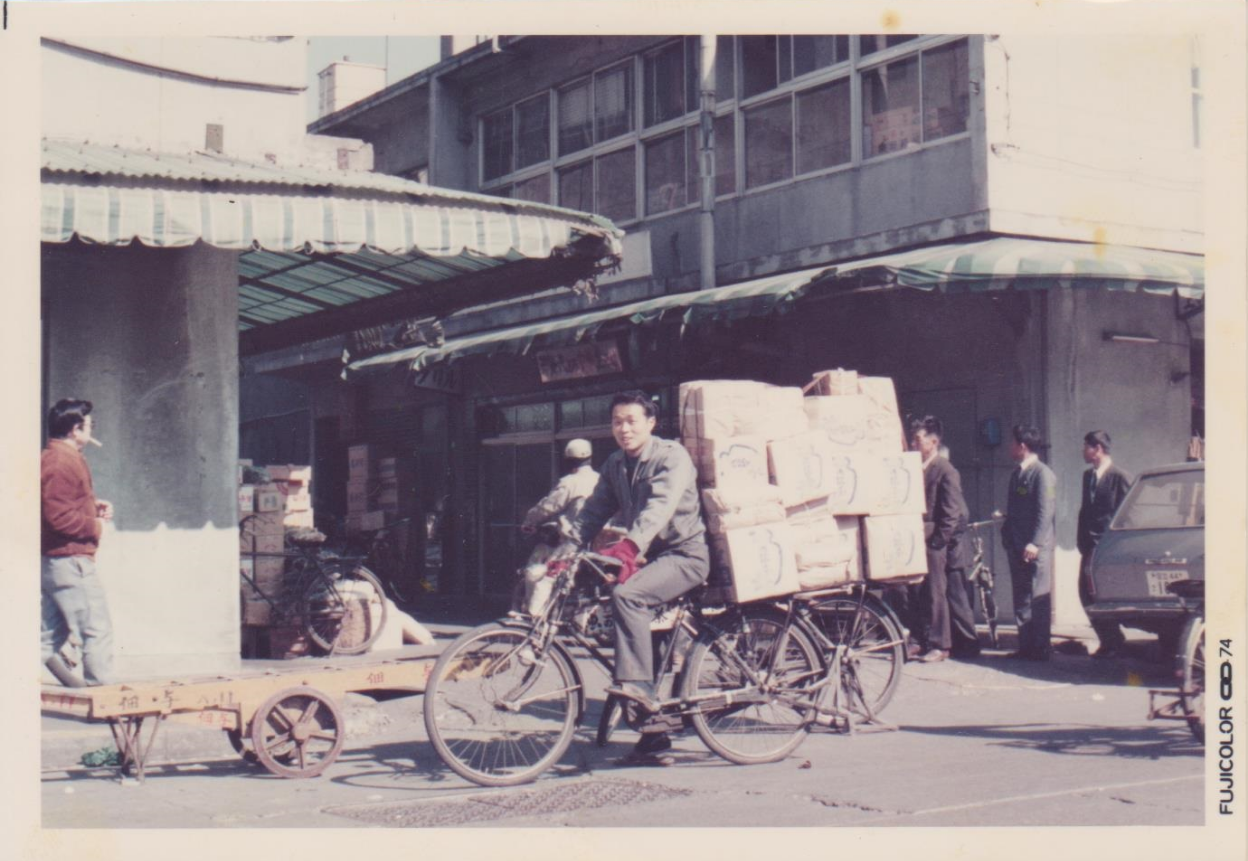
Hiroyuki Sugimoto
Photo courtesy of Sugimoto Tea.
Kanaya has since merged with its twin city across the Oi River, Shimada. Sugimoto Tea headquarters is still on the western bank 80 years after Zenichi began his bike route.
Kyohei wrote of his childhood there, saying,:
“Tea fields are everywhere in the area, and I could see tea farmers working on fields from my bedroom window. . . When spring comes to Shimada, the tea fields change color to bright green, and the city is fragranced by aroma of tea steaming. My father often said ‘if you smell this, you will live a long life' when I was younger.”
In Seattle, a New Beginning
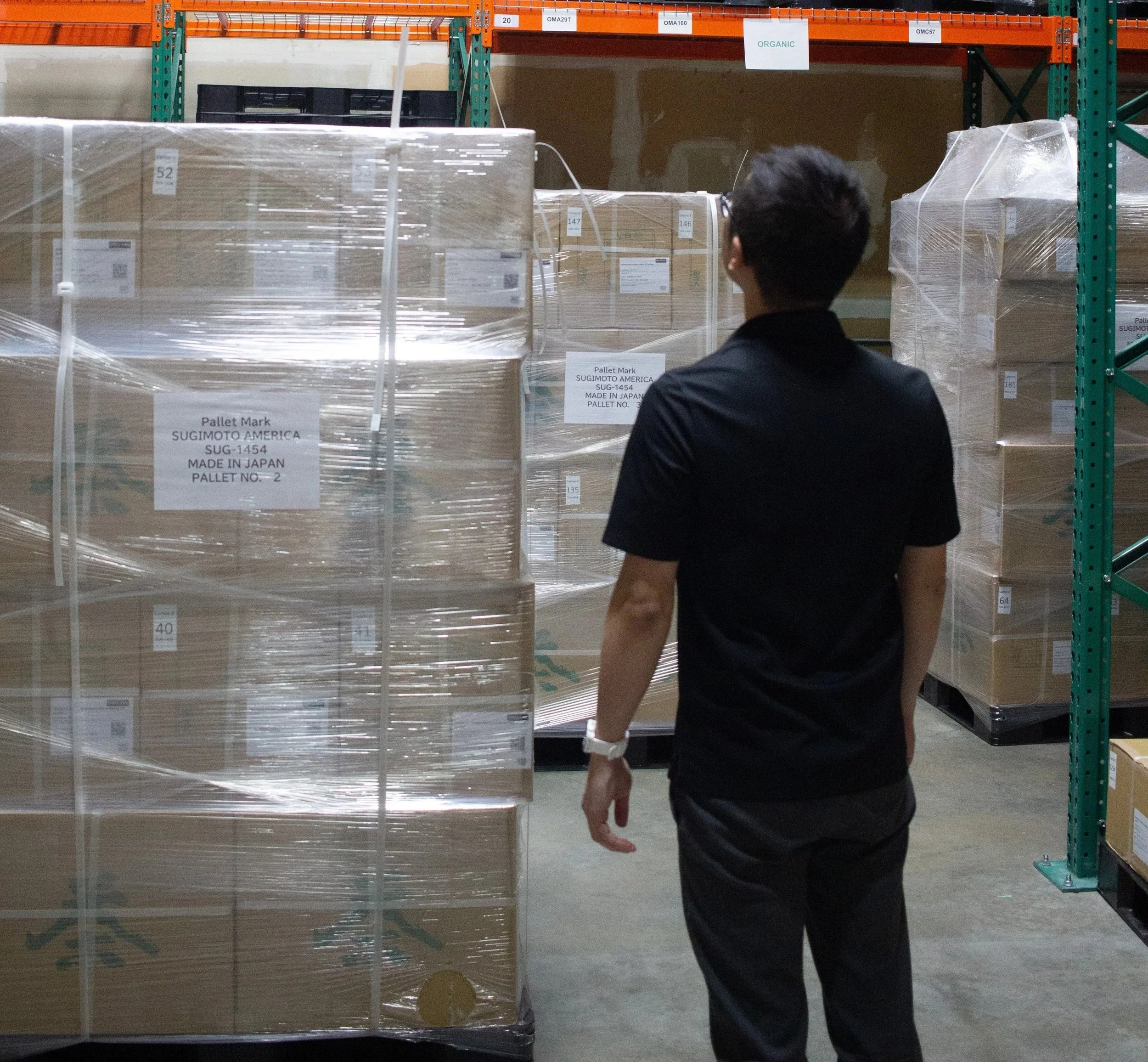
Kyohei Sugimoto in Redmond, Washington.
Photo: Jason Miller/Redmond Moments
It was the weather that first charmed Kyohei on a business trip to Seattle with his father in 2003.
“Of course, September is beautiful in Seattle,” he recalled to Redmond Moments.
Kyohei was 22 years old and rather aimless. He never intended to pursue a career in tea— his older brother Masaaki was already set to take over Sugimoto Tea in Japan.
But Seattle called to him somehow. It was the city life he dreamed of as a kid growing up in the tea fields. America presented a new purpose for him, and a tempting challenge.
“I never thought of selling tea outside of Japan, but people were appreciating it in Seattle. That changed my way of thinking about tea.”
However, an American branch of the company was never a given.
When Kyohei moved to Seattle in 2004, he did so on his own. There was no turn-key plan or instructions from his father. If he were to succeed, he would need to start from the ground up.
And so, Kyohei began again with his family legacy— a familiar flame to guide him in a completely new place.
“I worked hard for sure. But what I needed to do was simple. You have to sell, that’s it.”
In the early years, he learned English as a Second Language at Bellevue College. His weekends were often spent pouring samples of Sugimoto Tea for customers at Uwajimaya Market.
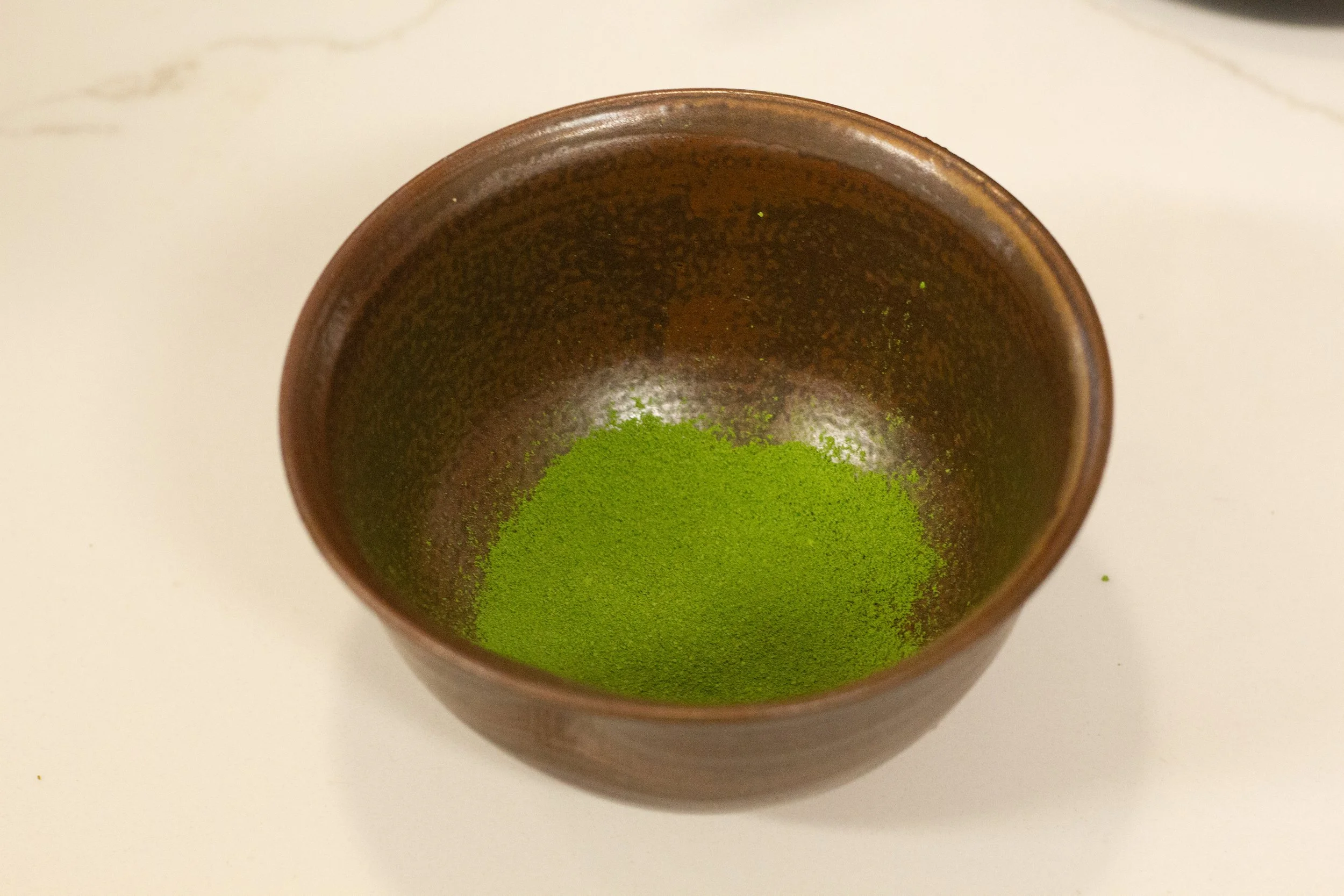
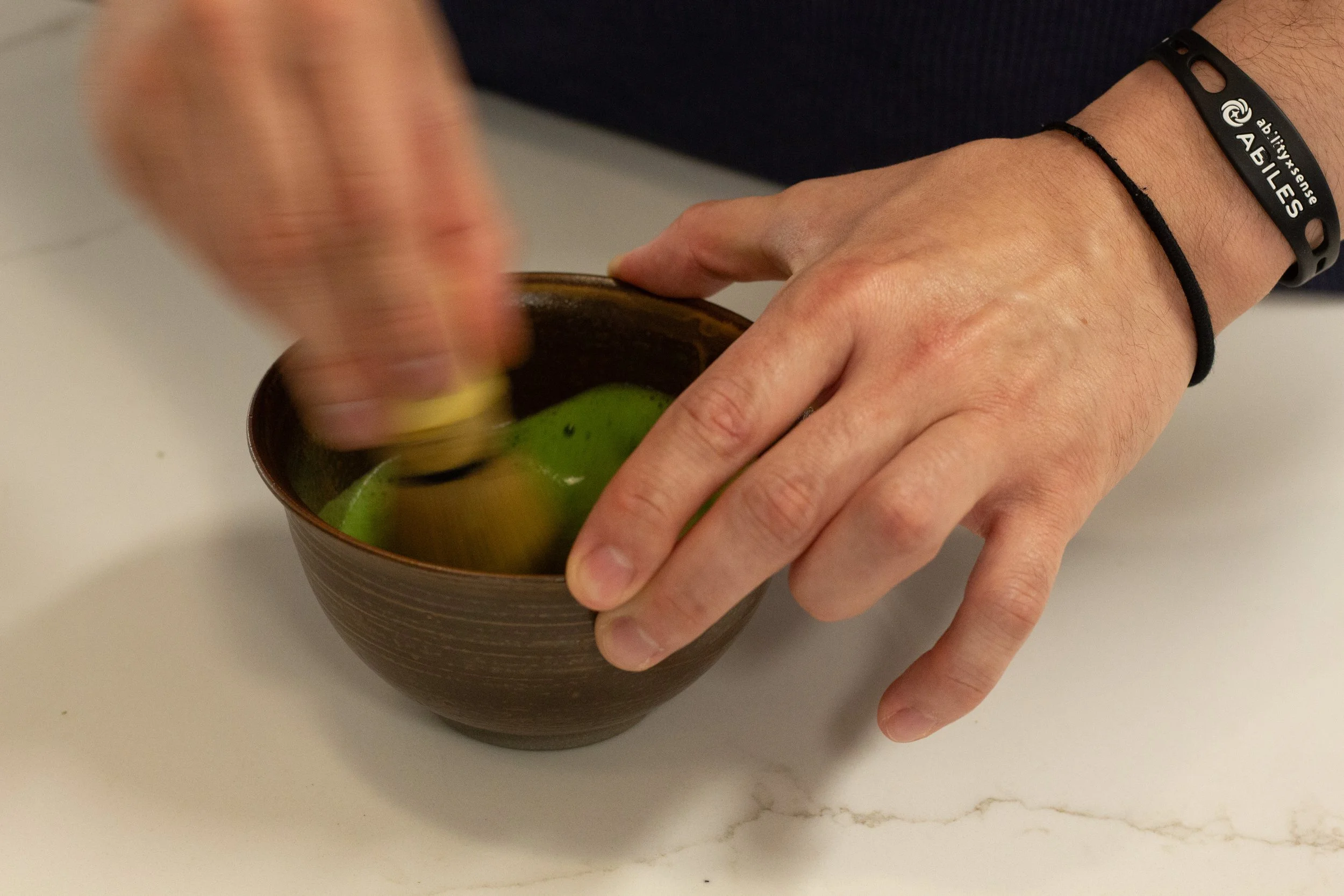
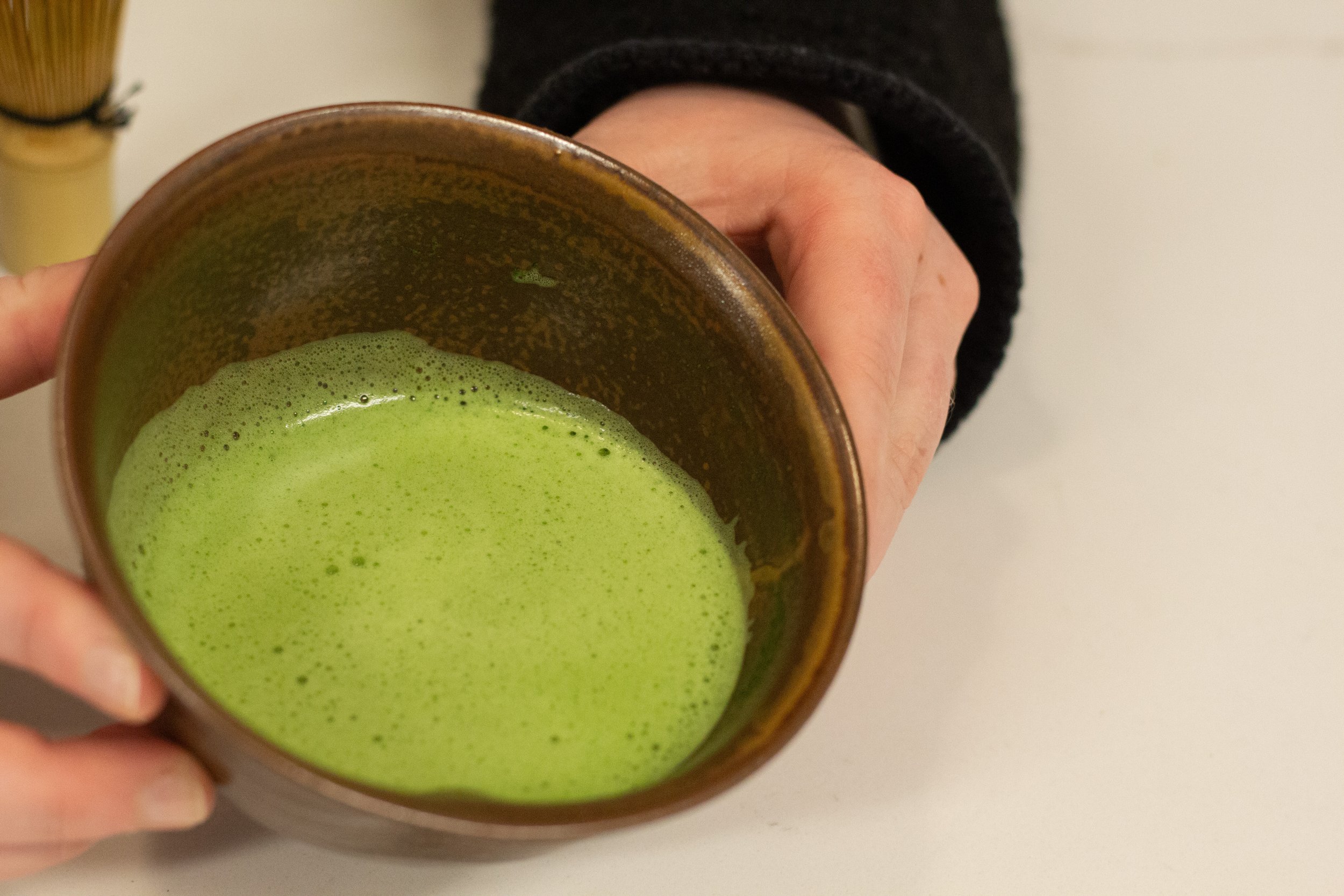
With every pour, Kyohei tapped into another facet of his family’s history. His grandfather delivered tea to his neighbors in Shizuoka, his father served tea to endless streams of customers at the Tsukiji Market.
"Personal touch, personal connection is everything.”
Immigrating to America presented a unique set of challenges. Kyohei’s life was his business— a trip home to Japan meant risking everything if his reentry was blocked.
It would be almost 10 years before Kyohei could return to Japan.
“I think I felt a little lonely doing everything by myself. . . I wanted to go back to Japan. I missed many things. Parents, friends, food, everything.”
In his years away, he introduced many to Japanese culture by hand. He also fell in love, and started a life and family with his wife, Yumiko.
Slowly, with years of hard work, the new branch of Sugimoto Tea became successful. The new place that was once a risk for Kyohei became a home.
He reflected on his accomplishments, saying, ”Whatever I do, I want to do well enough.”
From Shizuoka to Redmond, With Love
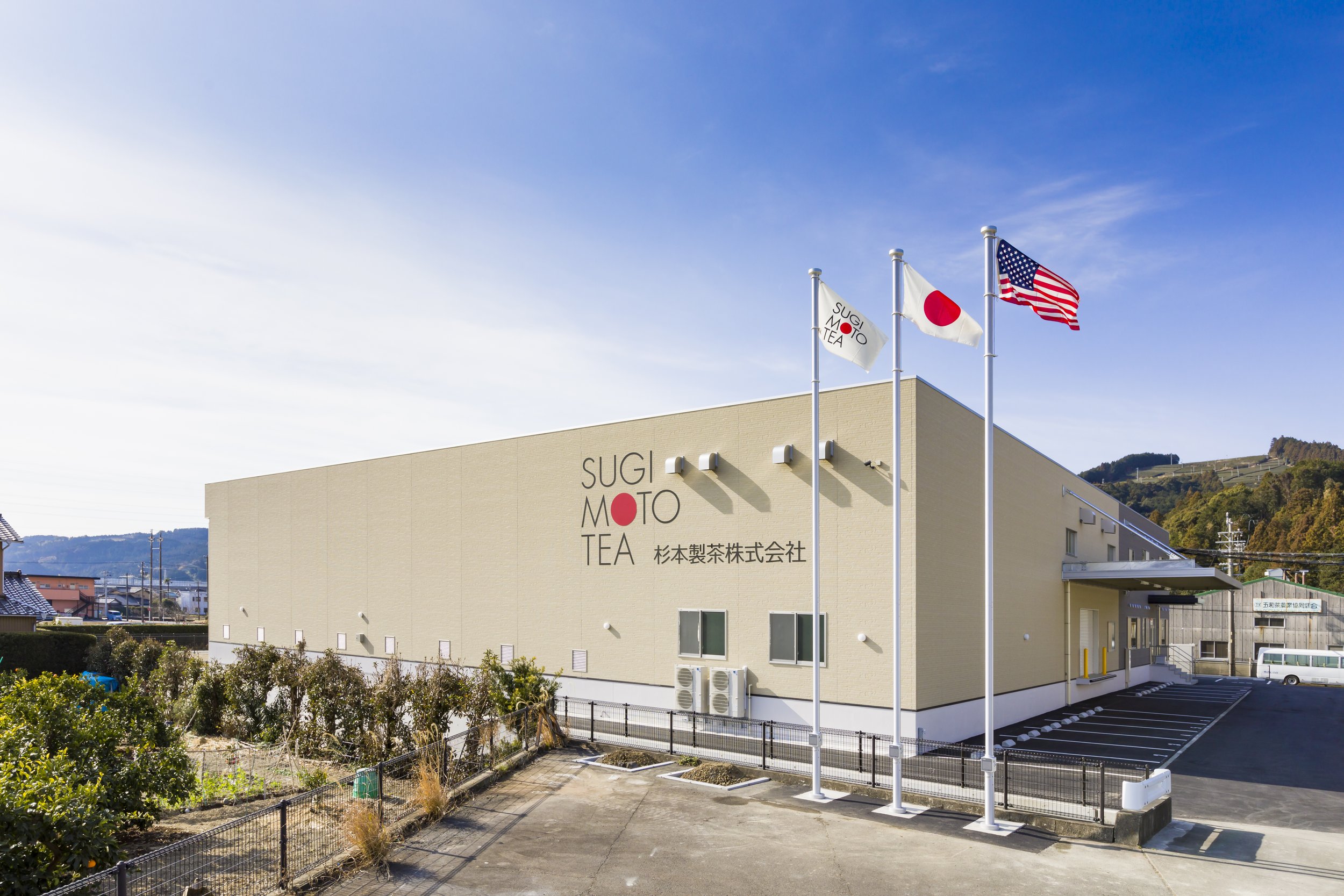
The Sugimoto Tea factory in Shimada, Japan.
Photo courtesy of Sugimoto Tea.
Now, the Sugimoto brothers work in tandem across the Pacific. Masaaki is often in the tea fields overseeing the nuances of production.
“We buy the tea from farmers, we know the farmers, we drink tea with the farmers. . . This kind of connection we don’t want to compromise,” Kyohei explained.
These long-established partnerships with local farmers have proved invaluable. The tea industry has faced a years-long matcha shortage, contributed in part by the unprecedented global demand for a previously niche product.
Sugimoto Tea’s position is highly coveted, but it’s also precarious.
"There is a clear boundary between the winner and loser, I think we are fortunate to be still doing this. As the Japanese tea industry changes, the players are less and less,” Kyohei said.
Despite the demand, a record number of Japanese tea producers went out of business in 2025. Challenges in recent years stacked up, like matcha cost rising over 300%, American tariffs, and crops affected by climate change.
Sugimoto Tea holds strong to their identity though, and Kyohei is hopeful that the matcha shortage will calm down one day.
“That’s what my family does. We focus on the quality, that’s why my family started the business. That’s what my father established. We don’t want to be just a normal tea company.”
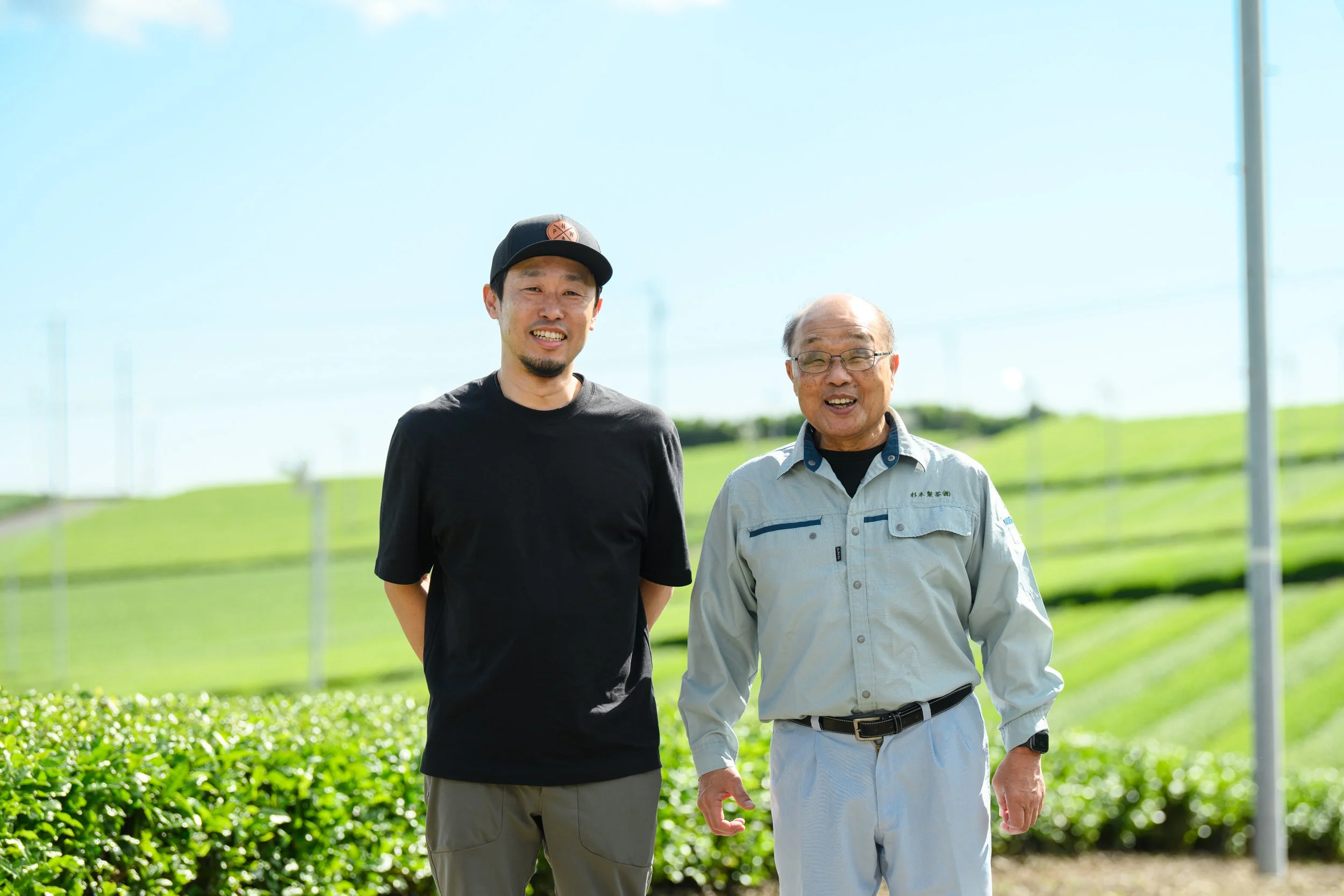
Kyohei Sugimoto (left), and Hiroyuki Sugimoto (right)
Photo courtesy of Sugimoto Tea.
“We like to be Sugimoto”
Summer in Redmond means the first tea harvest of the season arrives from Shizuoka. Kyohei stands among the packed shelves of the warehouse, now host to a legacy of his own.
The offices in Redmond have come a long way since he first arrived in Seattle decades ago. Sugimoto USA has operated out of Redmond for ten years now— it’s even listed on the back of their packaging alongside Shizuoka.
Sugimoto Tea can be found on the shelves of shops like Uwajimaya and World Market, or whisked into lattes at local spots like SoulFood Coffee House.
“Of course I’d like to grow, but I don’t think we need to be a big corporation in order to make money. We like to be Sugimoto.”
Kyohei visited his hometown in 2021 with his wife and children, and wrote, “My life has changed drastically in the past 20 years, but I was glad to see not many things are changing in the Shimada city.”
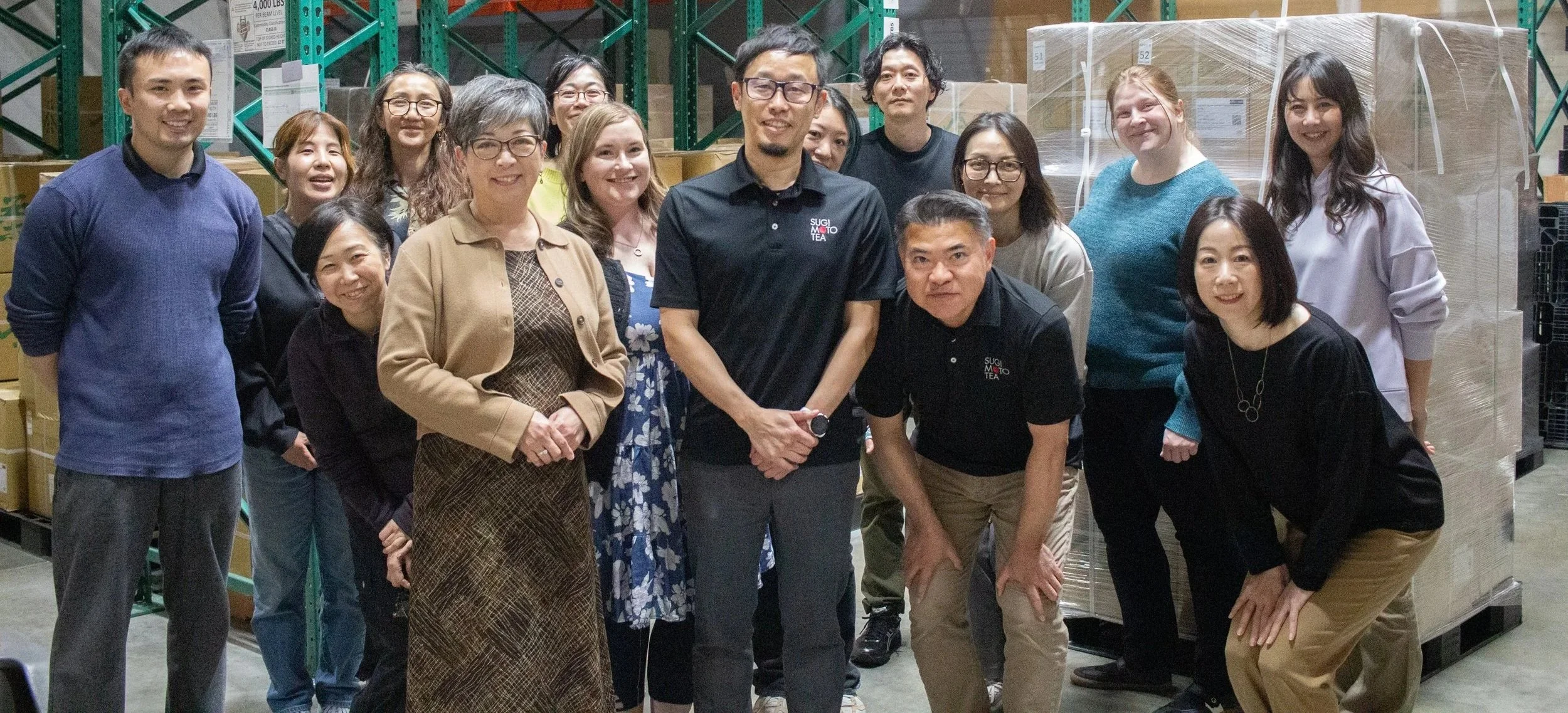
The Sugimoto USA team in Redmond, Washington.
Photo: Jason Miller/Redmond Moments